Mercedes New Math: Protect The Pot, Not Chase The Poster Lap
Mercedes New Math: Protect The Pot, Not Chase The Poster Lap
Kimi Antonelli’s Spa win and George Russell’s opening lap exit turned Mercedes’ title fight into a lesson in risk, where the constructors’ game shifts from chasing peak pace to insulating bankable points from accidents of chance and choice.
 Sam OkaforSports Writer
If you stared only at the lap chart, Spa looked like a story of speed. Kimi Antonelli started from pole, measured his tyres, hunted down Charles Leclerc after a virtual safety car surprise, then sealed his sixth win in ten starts this season. But titles are not written in purple sectors. They are built in the grey areas, where a team decides when to hunt and when to bank.
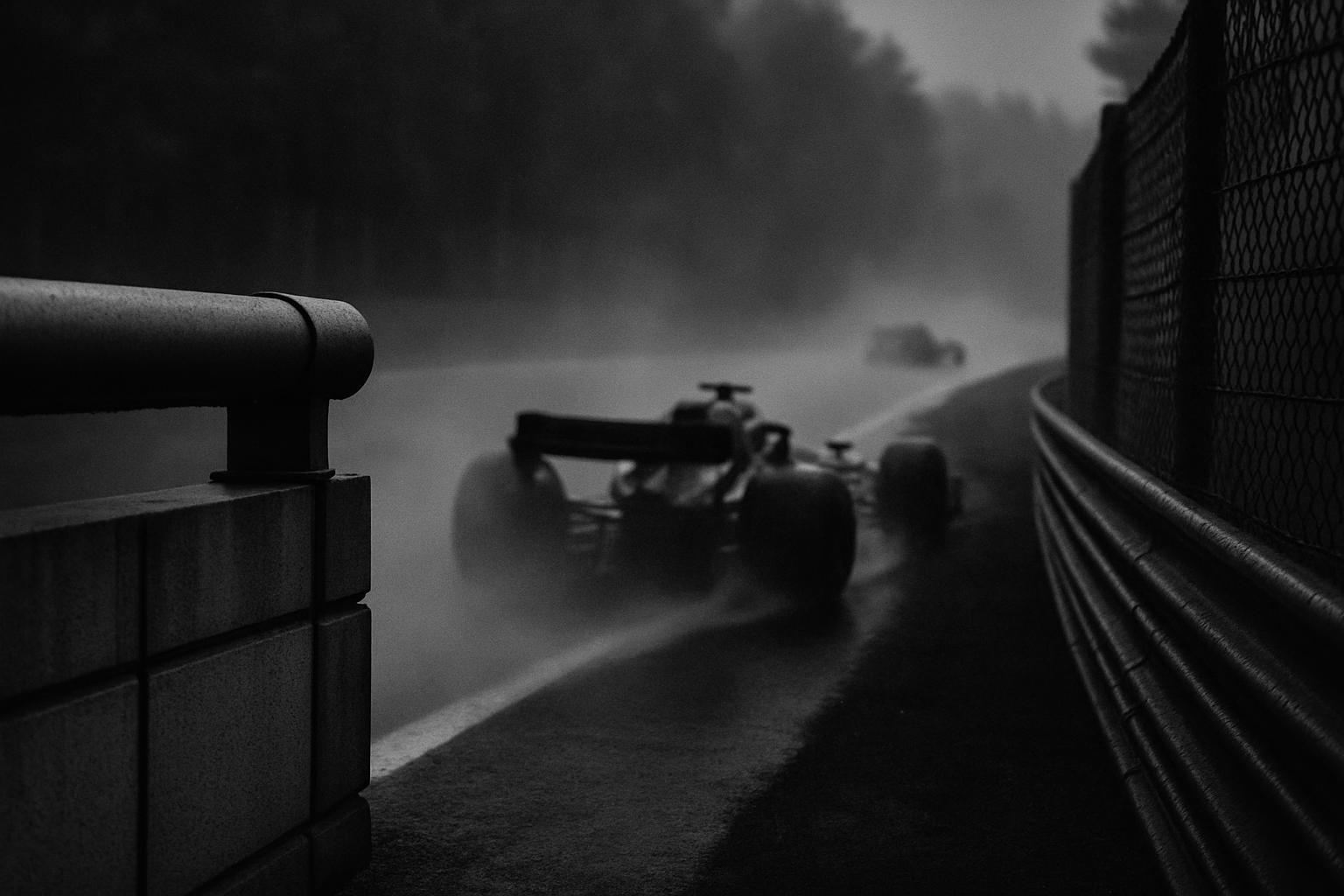
Spa was that kind of hinge. Antonelli’s victory restored what the BBC called a comfortable championship lead after a rough early summer, while George Russell’s race ended in gravel within seconds. Russell tangled with Lewis Hamilton at Les Combes, a smash set up by the pack concertina and a wobble on Hamilton’s Ferrari. Russell called it a racing incident. The scoreboard, as ever, called it zero.
"I am not going to blame Lewis. If things were normal, I would have been battling with Lewis, battling with Kimi and Max."
Here is the math. Six wins in ten gives Antonelli a 60 percent strike rate, the bluntest kind of reliability. Even his rough patch, a retirement in Spain, third in Austria and a non-score at Silverstone, reads like turbulence, not a trend. Russell now sits 50 points behind Antonelli, with Hamilton back up to second and five clear of Russell. The largest swing inside the same garage on Sunday was not about raw pace. It was about exposure to risk.
Inside a team, titles often come down to error-rate gaps, the quiet ledger of days turned into damage limitation instead of disaster. Spa distilled that logic inside Mercedes. Antonelli absorbed a VSC that sliced open his hard-earned margin, then picked off Leclerc on the Kemmel straight. He kept a potential five second track limits penalty defanged by managing the gap. Russell never got to show his Sunday pace. One car’s day became mitigation. The other became a write-off.
The constructors’ calculus follows. When one driver is banking dependable top fours and regular wins, the optimal play shifts from maximum attack to downside protection. You stop asking how to manufacture a poster lap on lap 42, and start asking how to cut the number of coin flips between lights and flag.
Spa showed where those flips live. The VSC that gifted Leclerc a cheaper stop explained how timing risk can swing outcomes. It costs roughly half as much race time to pit under safety car or virtual boards as it does under green. That is how Antonelli’s cushion vanished and became a three second chase. Mercedes cannot control the marshals, but it can control exposure. That means choosing pit windows that avoid stacking traps, engineering tyre plans that survive one neutralisation without forcing a desperate offset, and resisting the seduction of a razor thin undercut when the car in question is your points banker.
Starts are another frontier. The first lap at Spa squeezed Russell into a knife fight with Hamilton while Antonelli played the long game, yielding to Max Verstappen into Eau Rouge to reclaim the lead on the Kemmel straight. That choice was not passive. It was percentage play. The lesson is not to script orders. It is to script margins, where the car carrying the heavier points load is less exposed to multi car scrums, and where launch modes, grid positioning, and run plan preference favor clean air over elbows out lunges.
Then there is the pit lane, where volatility is often homemade. Ferrari released Hamilton before a mechanic had cleared, took a fine, and turned a fast car into a headache. That is a cross aisle warning about how small administrative misses can boomerang a strategy. Mercedes’ interest now is in sterilising those moments. Slow the releases if needed, set cleaner triggers for front wing changes, and cut the appetite for last second improvisation when the title leader is on the marks.
Power unit and tyre management fit the same theme. Spa caught Antonelli being told to push before his stop, then later riding the line on track limits without tipping over it. The picture is of a driver who can run the lap time asked and keep the car legal. If the points leader can hit that brief, the team can extend stints to widen safety nets, cover rivals in singles rather than doubles, and let the race come to them when a VSC scrambles the table.
None of this precludes ambition. It reframes it. The glory lap is still the prize, it just has to be earned inside a fatter confidence interval. Red Bull and Ferrari will keep throwing puzzles at Mercedes, as they did at Spa when Leclerc used the VSC to leapfrog, Verstappen held third on a tricky second set, and Hamilton recovered to fourth after his penalty and pit lane delay. The game is not to escape jeopardy. It is to pick your jeopardy.
Mercedes cannot decide who collides in front, or when debris invites the virtual boards, or which side of the coin lands up on Kemmel. It can decide how many flips its lead car is asked to take. On a Sunday when Antonelli retook control by doing simple things well, and when Russell’s gains from recent races vanished in a plume of gravel, that choice felt like the real battleground.
Spa’s box score says one win, one DNF, and a double hit to the standings inside the same garage. The story behind it says something else. The title fight that once looked like two silver cars in a straight duel now looks like a spreadsheet. Protect the pot. Trim the variance. Let the fastest lap be the last concern, not the first.