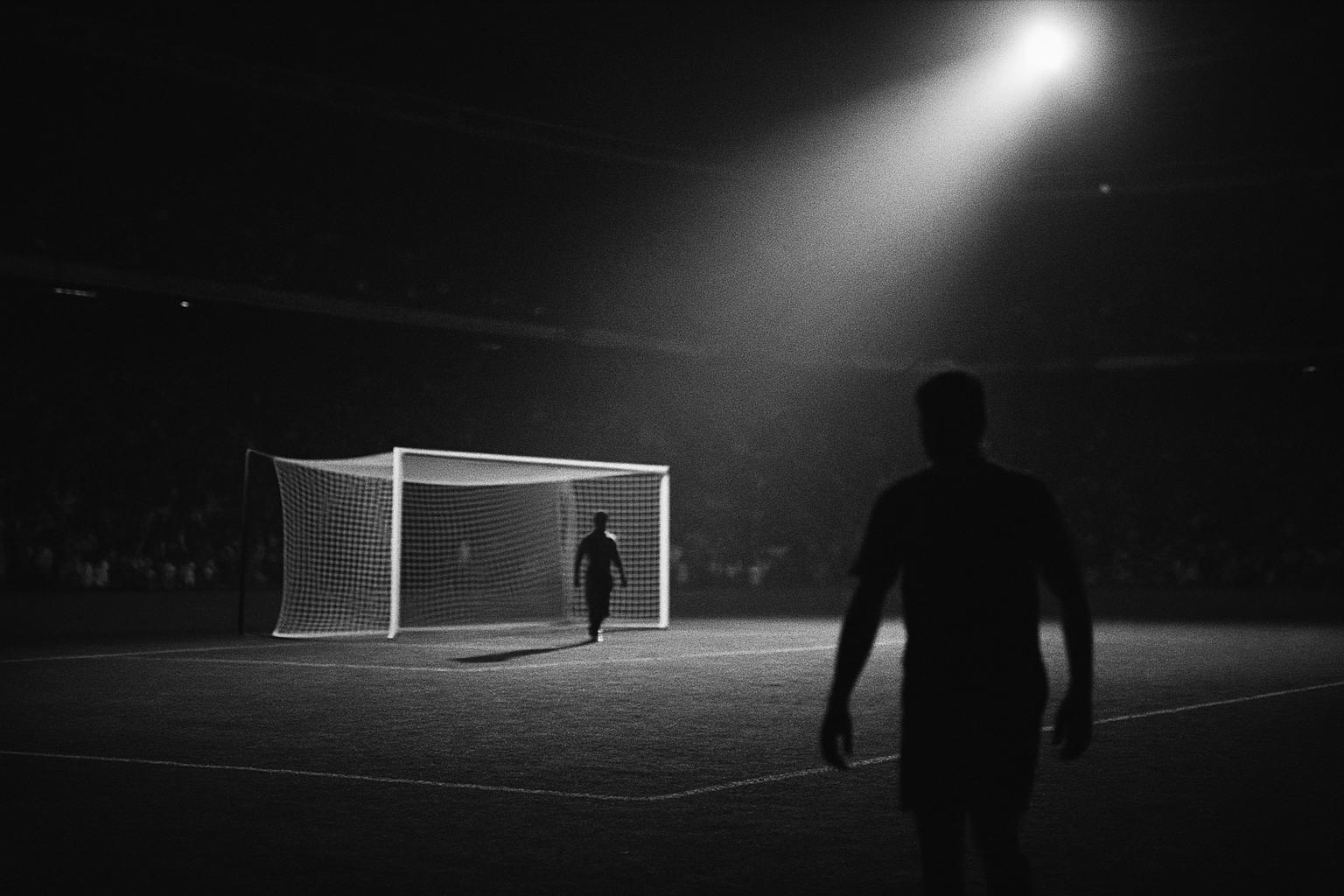
Spain's System, Not Stardust, Turns A Drab Final Into A Coronation In Extra Time
Spain's System, Not Stardust, Turns A Drab Final Into A Coronation In Extra Time
Spain's second men's World Cup arrived without swagger, built on patience, control, and one clean finish in the 106th minute that finally cracked 10-man Argentina and rewarded a plan that kept its nerve when the spectacle tried to drown the football.
 Sam OkaforSports Writer
The second star is so often pinned on a genius that we miss the seamstress. Spain earned theirs with something quieter. In a final that flirted with tedium, then blinked into life, La Roja chose rehearsal over romance, patterns over panic, and the long view over the rush. Their 1-0 win over Argentina in extra time was not a thunderclap. It was a metronome that kept time until a single note in the 106th minute rang out across the New York New Jersey Stadium.
By the numbers and by the rhythm, this was a Spain that believed the match would come to them if they did not chase it. The Guardian reports Spain took 20 shots to Argentina's two, a spread that measures patience and pressure, not strut. Volume can tempt a team into heat without light. Spain made it read like repetition, a calm walk toward the one window that would open. When it did, Ferran Torres stepped through it.
The moment found, not forced
The winning sequence was a small lesson in how this Spain has tuned itself. Pedro Porro went wide and crossed to the back post, Nico Williams kept the ball alive with the kind of persistence that turns half-chances into full ones, and Torres arrived to finish past Emi Martínez. The BBC captured the decisive act, which settled the final in extra time at the New York New Jersey Stadium. Watch the goal here:
It mattered that Torres came off the bench. The Guardian notes the Barcelona winger was a substitute, which says plenty about how Spain tuned the front line across 120 minutes. This was not an attack that chased the early knockout. It was a unit that valued width, second phases, and the repetition of movements until Argentina's shape, and later their numbers, wavered.
Spain trusted the plan, then trusted the clock.
Martínez kept the dam standing for longer than seemed possible. The Guardian describes a series of superb saves that turned the final into a test of nerve as much as execution. Spain did not blink. They kept working the outside channels, they kept arriving in the box with runners, and they kept stacking shots until the equation cracked.
Discipline as pressure
There was a second contest unfolding, less about the ball and more about temperament. Argentina leaned into disruption, delay, and confrontation. The Guardian frames it plainly, calling their approach cynical and noting that the half-time pageantry stretched the interval to 27 minutes and 20 seconds, a pause that suited a team intent on slowing everything down. Spain answered with control, not retaliation.
The ledger tilted with the cards. Enzo Fernández received a second yellow just before the end of normal time, which left Argentina to navigate extra time with ten players, as reported by The Guardian. That decision dragged the match deeper into Spain's hands. The champions had already banked the shot differential. Now they had the space and the legs to keep asking the same careful questions with more room to ask them.
After the final whistle, a mass confrontation erupted, triggered by Leandro Paredes pushing Gavi and Eric García to the ground. The Boca Juniors midfielder was shown a red card. The Guardian details the flashpoint and its aftermath. Spain did not need to make a scene. They had their medal queue to join.
System over spectacle
The night around the football kept trying to eat the football. The Guardian describes an opening delayed by pre-match excess, a half-time show that stretched to nearly half an hour, and a celebrity roll call that turned the final into a stage. Even the trophy ceremony went theatrical. Donald Trump was booed as he walked out with Gianni Infantino, then lingered while Spain captain Rodri lifted the prize. Individual awards were handed over by Yasir al-Rumayyan, a reminder of the commercial alliances shaping the sport that framed this World Cup as much as the late comebacks that colored the earlier rounds.
Inside all of that, Spain were minimalist. They stacked passes without needing to parade them, then let their recalibrated attack prioritize utility over flourish. Porro's delivery, Williams's industry, Torres's timing. Those are details from the training ground more than the poster shop, and those are the choices that survive long nights that refuse to ignite.
This is a team that had already shown its ceiling. The Guardian reminds us Spain dismantled the favorites, France, in the semi-finals. That was the flex. The final was the audit. Could Spain hold their nerve in a game that asked for patience, absorbed rough edges, and demanded a finish when it finally presented itself. Yes. They answered with control that travels between tournaments.
The weight of two trophies
Spain add this World Cup to their European Championship from two years ago. The Guardian notes it is their second time holding both titles after pairing Euro 2008 with the World Cup in 2010. The symmetry flatters the present with echoes of the past, but this version of Spain feels less doctrinaire. It is still possession as posture, still a belief that the ball is a shield and a scalpel. The difference is the acceptance that sometimes the craft is not the showpiece, it is the stopwatch.
Ferran Torres will live in the photos. Nico Williams and Pedro Porro will live in the video. The stat line will live on a single page. The story belongs to the system. In a final that began as a dirge and ended as a coronation, Spain did the least glamorous thing a champion can do. They waited, they trusted their plan, and when the window finally opened, they walked through it with a finish that was simple, sharp, and enough.