After Berlin Pride Attack, Police Kill Suspect, Security Tightens In Capital
After Berlin Pride Attack, Police Kill Suspect, Security Tightens In Capital
Berlin police shot dead Abdul Ballout after he advanced with a knife, and authorities signalled tighter patrols and event security in the capital as investigators probe motive and any accomplices.
 Adrian ValeWorld Correspondent
Berlin moved from pursuit to containment. Police ended a daylong manhunt by shooting Abdul Ballout, 21, after he rushed officers with a knife in Spandau, according to officials cited by the BBC. The operation followed a van ramming near Tiergarten on Saturday evening and subsequent stabbings that killed one woman and injured at least 29 people, figures reported by the Guardian.
Investigators are now stitching together the timeline. They are examining the procurement of the rented minivan, Ballout's movements between the ramming, the stabbings, and his flight, and contacts before and after the attack. German authorities said the evidence points to an Islamist terror attack, though they have not issued a final determination of motive. Police have searched at least one apartment tied to the suspect and appealed for public information. Officials are assessing whether he acted alone, and they have not announced findings on any accomplices.
Security is shifting from event management to deterrence. Interior Minister Alexander Dobrindt said the national threat level would be raised, and other states were advised to review protections for major gatherings, the BBC reported. In Berlin, that typically brings visible patrols near transport hubs and parks, tighter perimeters at large events, more bag checks, and short notice closures for clean up and forensic work in affected areas.
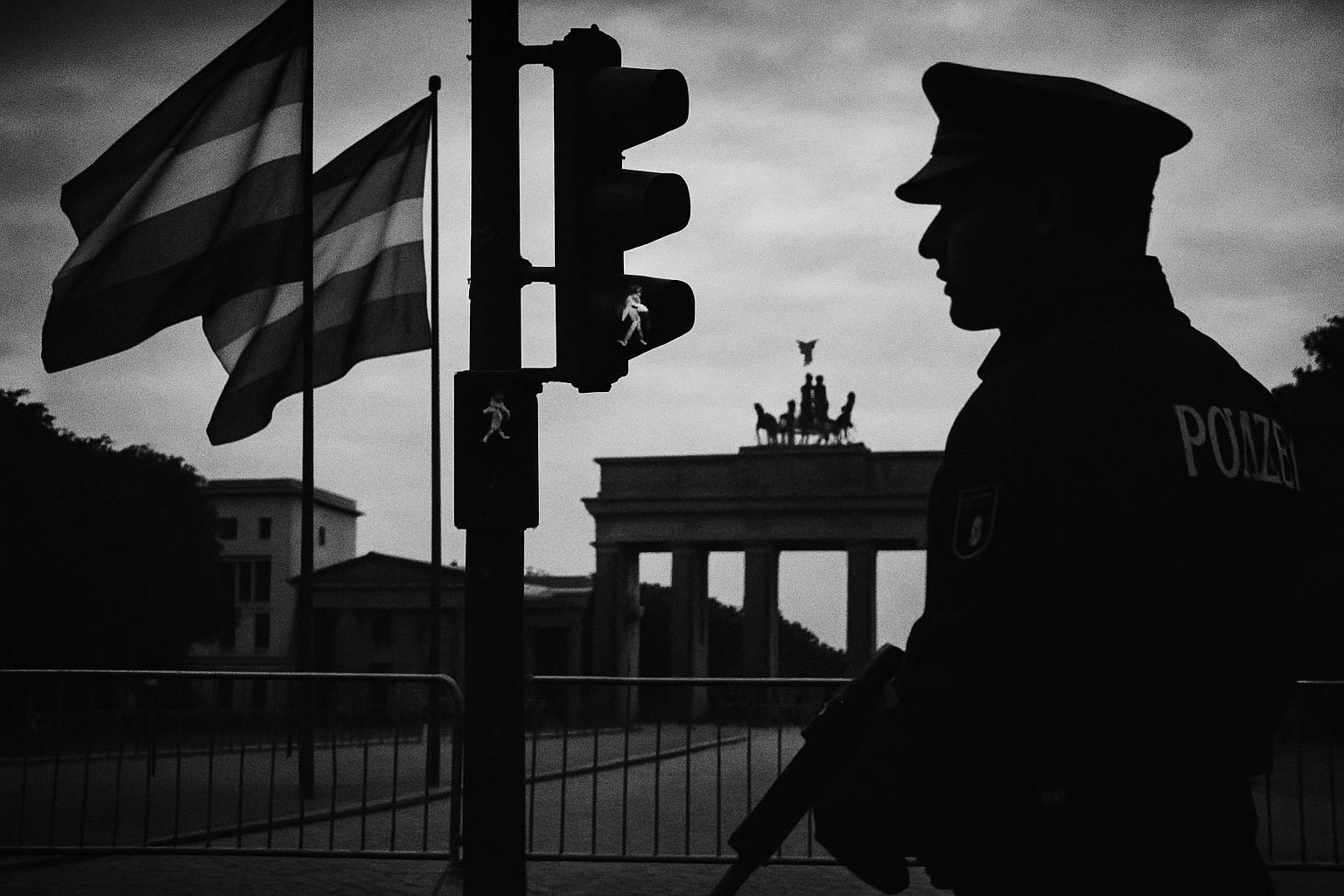
For travelers and students in the city, the near term reality is a heavier police presence around central corridors near the Brandenburg Gate and Tiergarten, and more screening at festivals. Expect sporadic disruptions as investigators process scenes and as organizers reassess logistics. Authorities have already curtailed weekend follow-on activities, and spontaneous vigils have drawn additional policing.
Politics has leaned on social resilience. Chancellor Friedrich Merz urged unity and pledged to defend freedom, and Berlin's mayor called the assault an attack on an open city. The signals are familiar after mass casualty incidents in Europe: stabilize the scene, harden targets, and work the case methodically.