Aoun in Washington Tests US Backing for a Fragile Lebanon Israel De-escalation
Aoun in Washington Tests US Backing for a Fragile Lebanon Israel De-escalation
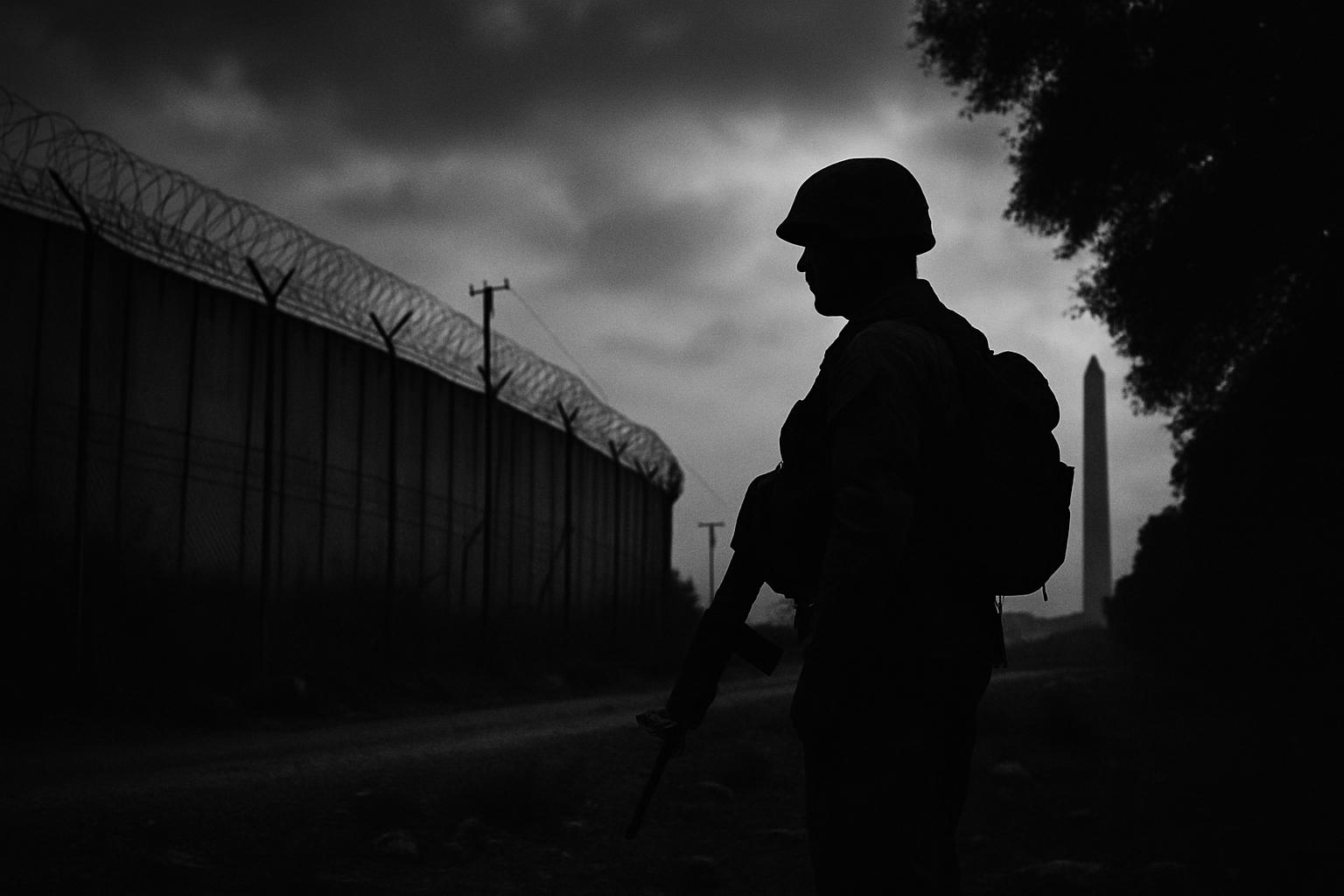
Joseph Aoun’s White House stop coincides with Lebanese troops entering a pilot zone after a limited Israeli pullback, a moment to see if quiet US brokerage can harden into rules that restrain border fire and political freelancing in Beirut.
 Adrian ValeWorld Correspondent
Joseph Aoun is in Washington with more than optics on the line. The Lebanese president arrives as his army begins moving into a pilot zone in the south, following what Israel calls an adjustment of posture in a small area it occupied during the war with Hezbollah. That sequence, an Israeli step followed by Lebanese Armed Forces deployment, is the core of a United States brokered framework that now faces its first operational test.
The BBC reports that the Lebanese army said on Tuesday its units entered Zawtar al Gharbiyeh in Nabatieh district, after the State Department announced the start of pilot zone operations in that village and in Froun and Srifa. An Israeli military official said the Israel Defense Forces would adjust its force posture in one of the pilot areas to allow the Lebanese army to carry out its mission, while reserving Israel’s right to self defense and to remove threats. The official also framed the objective of the pilot and the agreement as the disarmament of Hezbollah. The IDF, the official added, intends to remain inside a 10km deep security zone for as long as necessary.
Al Jazeera sets the diplomatic stage. Aoun is seeking Washington’s support for an agenda that includes pushing for further Israeli withdrawal through negotiations and bolstering Lebanese state institutions. He met Secretary of State Marco Rubio ahead of the White House session and, according to the Lebanese presidency, stressed aligning positions around an initial Israeli withdrawal from a first pilot zone and called for support to Lebanese institutions. The same report notes fierce rejection of the trilateral framework by Hezbollah and broader criticism inside Lebanon of its terms.
Two questions shape this visit. First, what Washington will actually underwrite. The framework has produced a sequence and a venue for coordination, described by the army as communications with the Military Coordination Group for Lebanon. It has also produced a narrow but visible step on the ground. What it has not produced, at least in public, is a catalog of incentives or penalties that would lock in further steps. Aoun will try to translate the administration’s political backing into something that Lebanese officers and local leaders can treat as predictable. The United States can signal, and it can convene, but the pilot zone concept will only scale if all sides come to see its routines as safer than their habits.
Second, whether the rules of the road can restrain both cross border fire and factional freelancing. Israel says it will preserve its right to act against threats and stay in its security strip. The Lebanese army has asked civilians to avoid Zawtar al Gharbiyeh until the situation stabilises and says its troops are already on missions in Froun and Srifa. Those are thin buffers against a crowded map, especially with Hezbollah openly hostile to the framework. If local commanders on any side decide to test the edges, a fragile mechanism can fray quickly.
What a pilot zone is trying to prove
The pilot zone is a proof of concept for a basic trade. Israel reduces its footprint in a defined area, the Lebanese army moves in, there is no Hezbollah military presence, and civilian life resumes. The State Department called the start of operations a milestone tied to last week’s talks in Rome between Israeli and Lebanese representatives. The measure of success is low drama. No clashes during handoffs, no rockets or raids from the area, and a bureaucracy that starts to work. That includes notification channels, site access for the army, and a clear map of who polices what.
None of this is a final settlement. The BBC account frames the move as a pullback from a small part of occupied territory, not a sweeping exit. Israeli officials insist the larger security zone remains. Al Jazeera’s reporting underlines the political backlash in Beirut, including among some who otherwise back Aoun and Prime Minister Nawaf Salam. That political weather matters because the army needs space to operate at home as much as it needs cover at the border.
The Washington variable
Aoun’s leverage in Washington is situational. The conflict that pulled Lebanon into the war began with Hezbollah rocket fire after an Iranian leadership killing, and it has since killed thousands in Lebanon, according to the health ministry cited by the BBC. The administration wants to keep the northern Israeli front quieter while its broader confrontation with Iran continues. That creates an opening for Aoun to argue that support for the Lebanese state is not charity, it is risk management that serves US and Israeli aims, a point Rubio has voiced in public remarks reported by Al Jazeera.
The constraint is equally clear. The United States can broker frameworks and endorse pilot zones, but it is not promising the kind of comprehensive guarantees that would settle the border. The BBC notes that Israeli officials reiterate retained freedom of action, and Al Jazeera reports Hezbollah’s rejection of the trilateral framework. In that gap sits the task of this visit. If Aoun leaves Washington with firmer backing for the pilot architecture, then the next handoff can be faster, the next village less fraught.
Diplomacy here is less about grand bargains and more about operational friction. Can Rome talks produce checklists that battalion commanders obey. Can the coordination group resolve a property search complaint before it becomes a standoff. Can political leaders in Beirut accept that the army will be the only uniform in defined areas, and can Hezbollah decide not to contest that presence. The answer will not come from podiums. It will come from whether Zawtar al Gharbiyeh, Froun, and Srifa are quiet next week, and the week after that.