Burnham Takes No. 10, Year One Is Focus Over Flash
Burnham Takes No. 10, Year One Is Focus Over Flash
Andy Burnham enters Downing Street as the United Kingdom’s seventh prime minister in a decade and promises to focus on the cost of living and on poorly performing services, which sets the bounds for what can move fast and what will wait.
 Adrian ValeWorld Correspondent
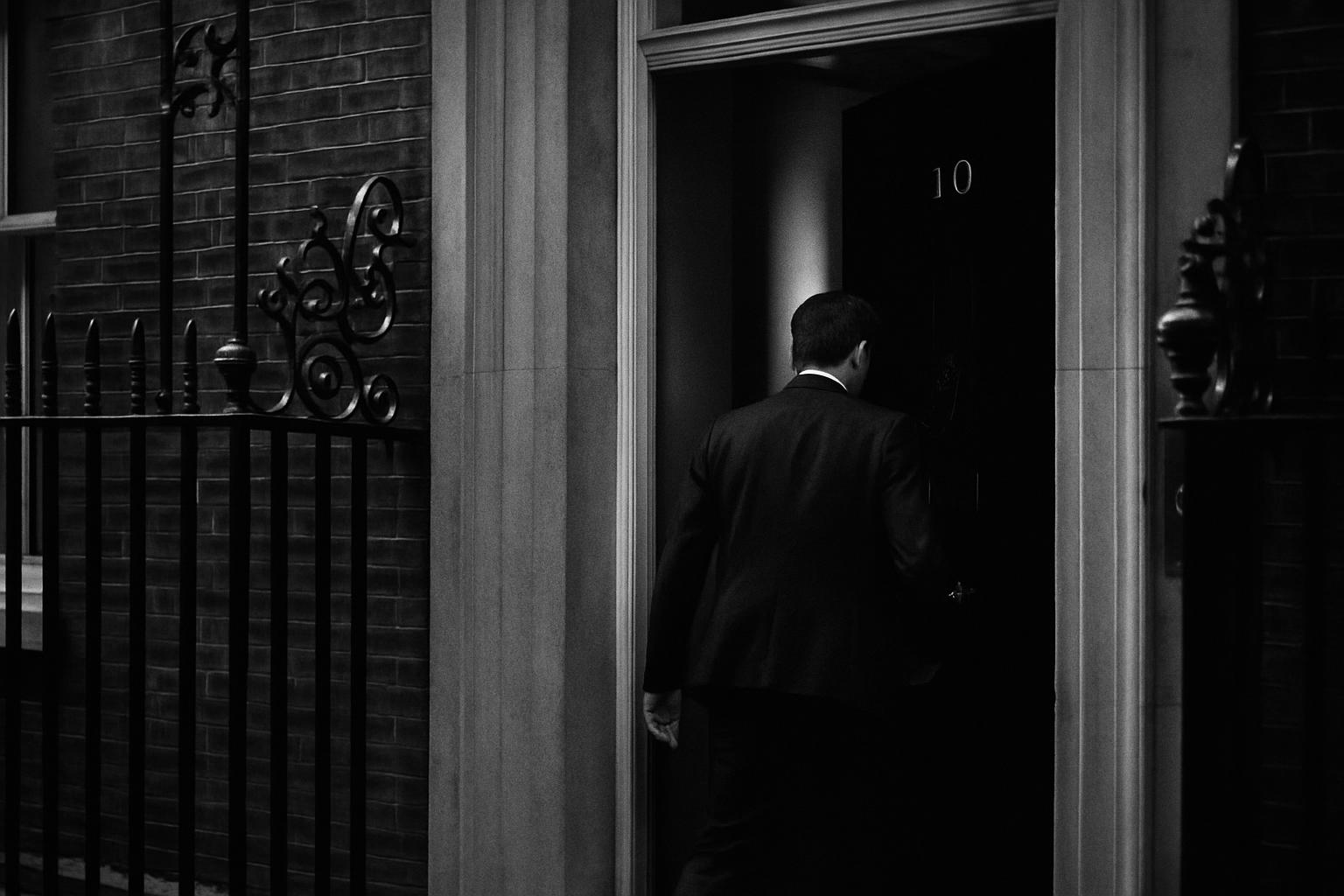
Andy Burnham is now prime minister of the United Kingdom. He stepped to the lectern at No. 10 and gave a first message with one theme, focus on what people care about. He named the cost-of-living crunch and underperforming public services. That is the clearest public signal on day one.
This handover comes midterm, two years after Labour’s landslide general election win under Keir Starmer. Burnham becomes the seventh UK prime minister in ten years. Personnel changes again. The machinery keeps running.
The question is not drama. It is direction. What can a new No. 10 change in the first year. What will continue by default. Which files get attention first.
The First Signal
Live updates from Al Jazeera record the new prime minister promising clearer focus on issues that people feel, above all living costs and service performance. That narrows the lens to household pressures and delivery. It also sets the test. Early steps will be judged by outcomes people can see, not by abstract targets that drift offstage.
The first promise is about the cost of living and services, not a shopping list of reforms.
Without more published detail in the live feed, that is the public anchor. The rest is about pace, sequencing, and the limits of a midterm handover. Year one starts with a tight frame that voters know how to measure.
What Can Move Fast
A focus on living costs and basic services points to moves that do not need new laws. No. 10 can tighten administration, set priorities, and show its work. It can push departments to publish timetables. It can release progress data that maps to household bills and frontline performance. It can define success in the same plain terms used outside the black door.
Expect early reviews of programs that touch family budgets. Expect audits and performance drives for services people use every day. The live updates do not list measures or dates. That absence is a cue. The first visible steps are likely to turn the theme of focus into reporting, scheduling, and oversight that the public can track.
Communication will matter. If the aim is clarity, the yardstick is whether people can tell what got fixed, what slipped, and when the next check-in lands. Any new initiative that cuts through will do so because it fits the cost-of-living and services prism that the prime minister chose at the door of No. 10.
Where Continuity Holds
Continuity often follows from silence. The source does not set out reversals or departures. In that case, the institutional tracks roll on until No. 10 says otherwise. This is a midterm handover. The first message was domestic and practical. The working assumption on files not named is carry on.
This is not an ideological point. It is a reading of what is on the record. Inherited commitments will likely be managed inside the new frame of delivery and focus. If the government plans to widen the brief, it will need to say so. Until then, the rhythm of existing policy will continue while No. 10 defines its cadence on results.
Continuity can be a choice as well as a default. It can buy time to reset tone and systems. It can also harden path dependence. If year one sticks to clarity and delivery, the government will have to decide where to spend political capital, and where to accept the momentum it has been handed.
Foreign And Security, First Look
The live coverage does not outline foreign or security shifts. It records the appointment, the fact of a seventh prime minister in a decade, the midterm context, and the initial domestic emphasis. That leaves external questions open in public view.
In the near term, foreign and security movement will be visible only if No. 10 fits it into the same language of focus and delivery, or if events force airtime. Two implications follow. First, the opening message aims inward, so early bandwidth will stay on living costs and services. Second, any international engagement that rises in priority will need to be narrated through that declared focus, or added to it in later statements.
All of this points to a watch list rather than a forecast. Summits, set-piece speeches, or crises can reorder attention. Until one of those arrives on the record, foreign and security work will run in the background while the podium stays trained on domestic pressure points.
Year One, Measured In Clarity
A new occupant of No. 10 chose clarity as the watchword. That sets a test that is simple to state and hard to meet. If the first year is about focus, then people should be able to see and understand what is being done on bills and on the services they use. The live updates do not claim new mandates or market reactions. They do not list personnel decisions. They capture a reset of tone.
Tone is not trivial. It can orient a system. It can also set limits. To expand the agenda, No. 10 will need to add detail beyond living costs and services, or show how other work relates to them. Until that happens in public, the map is narrow and legible. A midterm change at the top has been defined in terms that voters can test against their own experience. That is the point of focus over flash.