
Model Scout Found Dead In Paris, Epstein Mentions Revive Oversight Questions
Model Scout Found Dead In Paris, Epstein Mentions Revive Oversight Questions
French prosecutors confirmed the death of modelling scout Daniel Siad as they continue a separate inquiry into alleged French accomplices of Jeffrey Epstein, a collision that underscores how cross-border files and industry rules still struggle to produce timely accountability.
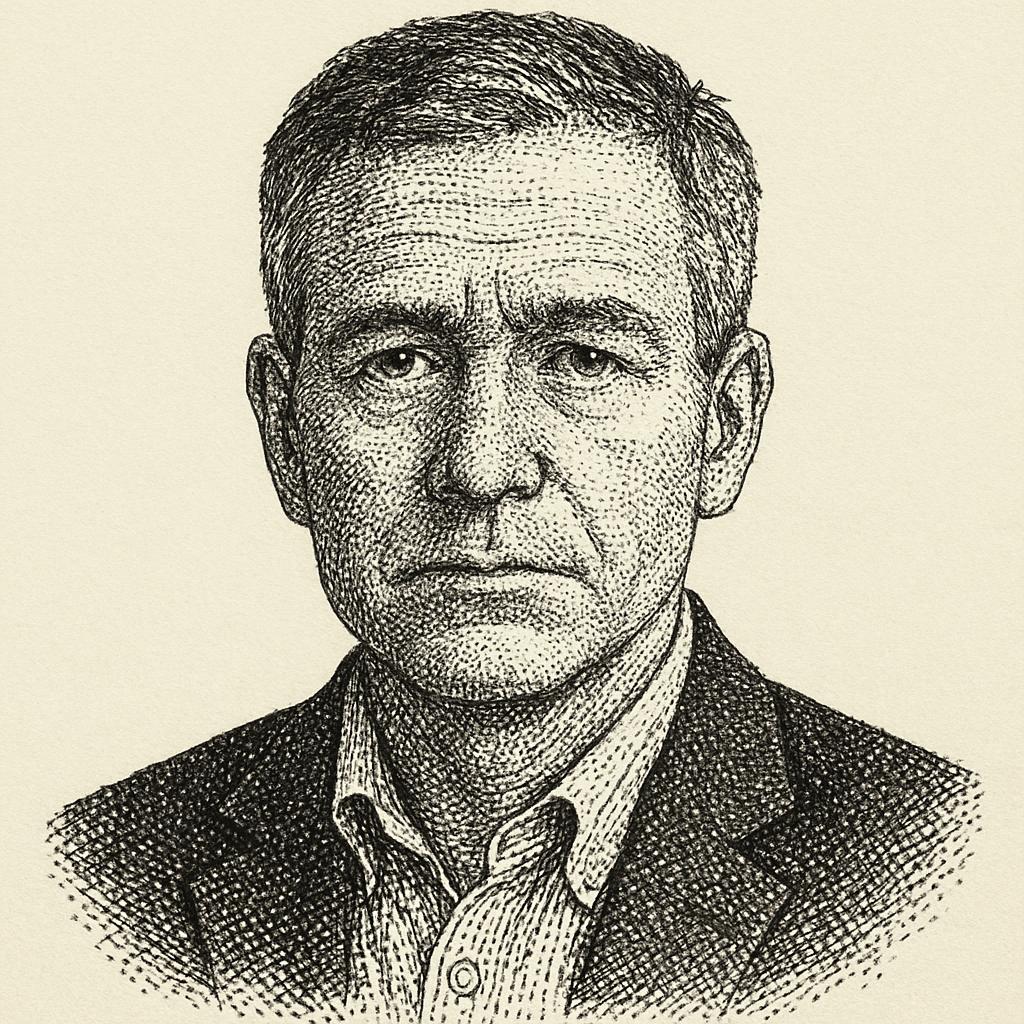 Adrian ValeWorld Correspondent
French authorities confirmed that Daniel Siad, a modelling scout whose name appeared thousands of times in United States government files related to Jeffrey Epstein, was found dead at his home in Colombes, a suburb of Paris. The Nanterre prosecutor's office said an investigation to determine the cause of death opened on Monday evening, and that a post-mortem examination will be carried out. There is no determination of cause or manner of death, and officials have provided no further detail.
The confirmed facts are limited. Siad was 69. His name is heavily present in the Epstein files released by the US government. He denied knowing the threat Epstein posed, and in recent interviews he rejected allegations against him. His lawyer, Ménya Arab-Tigrine, said Siad had never been prosecuted, and declared him innocent in a statement. French prosecutors said that special investigative techniques, including telephone surveillance, had been used, but that they did not yield evidence that justified an arrest.
What Is Active, And What Has Ended
French prosecutors opened an investigation on 18 February 2026 on charges described as organised human trafficking and conspiracy to commit a crime. That inquiry, the prosecutor's office said, continues in order to identify all individuals potentially involved. At the same time, prosecutors stated that criminal proceedings against Siad had been terminated, a procedural consequence of his death. He had been the subject of several complaints in France, including allegations of rape, but he had not been placed in custody or charged.
This posture creates a split screen. On one side, an inquiry into possible French links to Epstein continues. On the other, the death of a figure named repeatedly in US files closes any prospective case against him in France before a court could test the claims. Lawyers for complainants voiced anger at the pace and the outcome, saying victims had been denied a criminal trial. Prosecutors defended their steps, citing surveillance and an assessment that the available evidence did not support an arrest.
Mentions In Files Are Not Evidence In Court
Siad's visibility in US records has loomed large. Mentions in government files can shape public understanding and guide investigators, but they do not automatically meet evidentiary thresholds in another jurisdiction. The Paris prosecutor's statement underlines this gap by noting that investigative tools were deployed in France without generating the level of proof needed for detention.
That point recurs in Siad's public denials. In a recent CNN interview he said he had not known women were being abused by Epstein, adding that he trusted him and believed he was a professional person. He told BFMTV in May that he had never raped anyone in his life. His lawyer said he had never been prosecuted. These facts set a procedural baseline. Allegations had been filed, investigative measures were taken, and the bar for arrest was not met, at least on the timetable that elapsed before his death.
Victims Describe Lost Avenues Of Inquiry
The death has consequences for those who came forward. A former model told the BBC that any information Siad might have held is now lost, stating that an important link in the chain had vanished and that he had never been questioned. Lawyers for the former model who made the first complaint said they were stunned, and argued that alleged victims had been denied a criminal trial. Another lawyer, Anne-Claire Le Jeune, who represents six women who made complaints, said the slow pace of the investigation resulted in his death before questioning or custody, which she said deprived victims of a crucial step in their pursuit of truth and justice.
Those reactions point to a procedural risk in complex cross-border abuse cases. Investigations that depend on testimony, digital traces, and cooperation across legal systems face time costs, and witnesses and suspects age, move or die. When a subject is not questioned before death, potential corroboration or rebuttal is foreclosed, which can leave both victims and investigators with incomplete records.
Industry Oversight And Jurisdictional Limits
The modelling industry straddles borders by design, with scouts, agents and clients moving people and information quickly. The record in this case shows how hard it is for oversight to match that speed. French prosecutors said they used telephone surveillance, but that it did not supply grounds for arrest. US files placed Siad's name thousands of times, but that signal did not translate into charges in France. Complainants filed allegations in France beginning in February, yet the case timeline closed before police custody or a formal interview could occur.
The Context Of Other French Inquiries Tied To Epstein
The BBC notes that another associate of Epstein, French modelling agent Jean-Luc Brunel, was found hanged in his Paris prison cell in 2022. He had been held in custody for more than a year while under investigation on suspicion of the rape of minors and trafficking of minors for sexual exploitation, and he denied wrongdoing. Brunel had founded MC2 Model Management with funding from Epstein and was suspected of transporting and housing girls or young women for Epstein. Epstein died by suicide in jail in New York in 2019.
That context does not determine facts about the current case in France, which remains open with respect to other potential individuals. It does illustrate an investigative environment where key figures have died before courts could deliver findings. For victims and authorities, that pattern raises the cost of delay and the importance of securing testimony and evidence early.
What Is Known, And What Comes Next
For now, the record is as follows. Siad is dead, according to the Nanterre prosecutor's office. The cause will be the subject of a post-mortem examination. Proceedings against him have ended, but the February investigation into organised human trafficking and conspiracy to commit a crime continues in order to identify all potentially involved individuals. Several complaints were filed against him in France. He denied wrongdoing in media interviews. His lawyer said he was never prosecuted, and called him innocent.
What comes next depends on routine but consequential steps. The post-mortem will establish medical facts. Investigators will continue work on the broader inquiry, which prosecutors say is ongoing despite the termination of proceedings against Siad. For the complainants, the question is whether evidence gathered so far will be tested in court against any other suspects. For the industry and its regulators, the question is whether cross-border records can be turned into timely, admissible cases before time makes the decision instead.