Russia’s Telegram Case Tests How Far States Can Stretch Platform Liability
Russia’s Telegram Case Tests How Far States Can Stretch Platform Liability
Moscow has charged Telegram founder Pavel Durov with facilitating terrorism for non-removal of channels linked to recruitment, a reframing of platform inaction that regulators in India will study as they weigh enforcement under the IT Rules.
 Adrian ValeWorld Correspondent
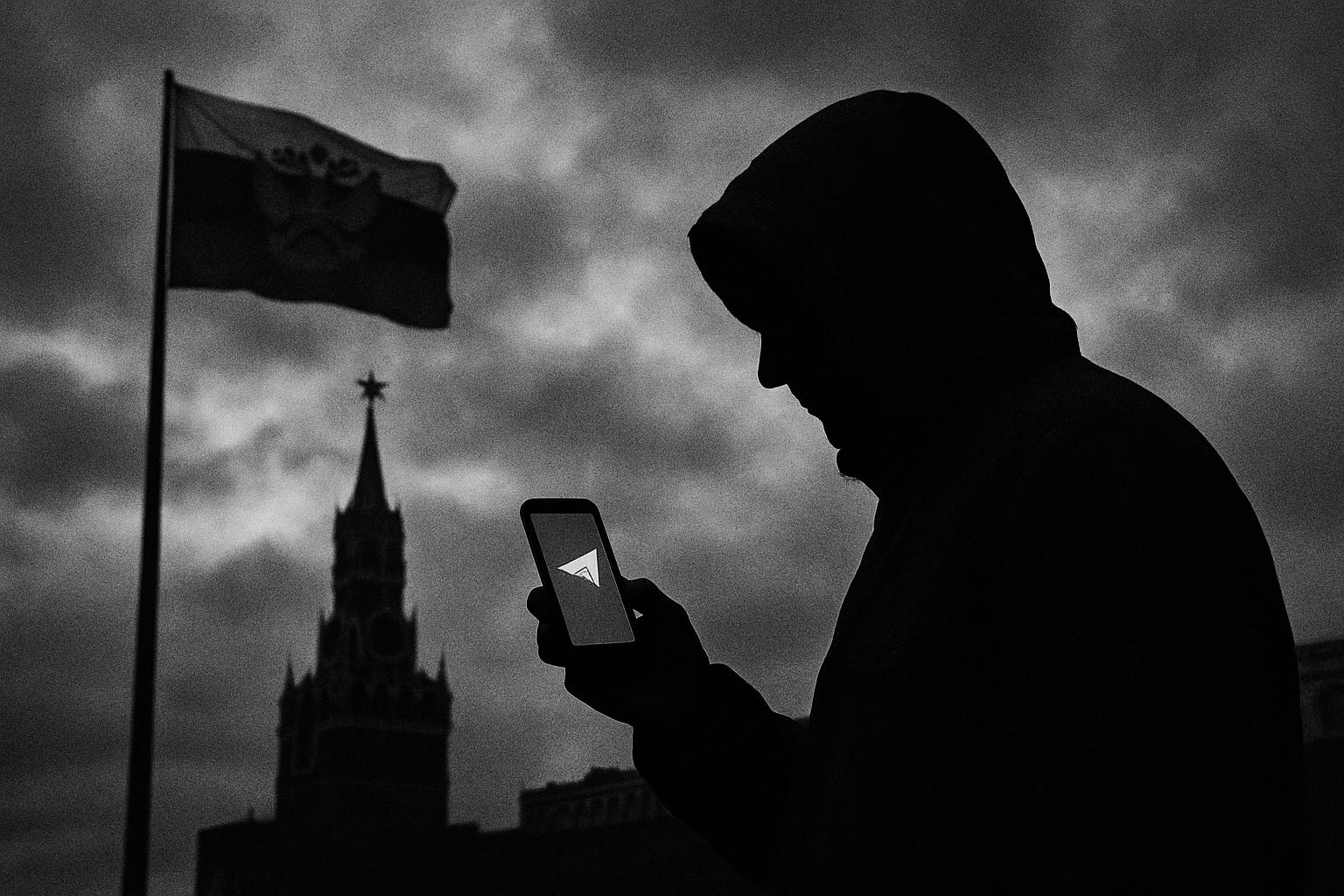
Russia has charged Telegram founder Pavel Durov with facilitating terrorism, alleging the messenger was used for recruitment by Ukrainian secret services and that the platform failed to remove related channels, chats, and bots, according to a BBC report that cites Russia’s FSB. An international arrest warrant has been issued, the report adds. Telegram’s account on X posted an image of Durov raising a middle finger shortly after the announcement. These are the authorities’ claims, not adjudicated facts, and the BBC notes it is unclear whether other countries would act on the warrant.
The point to watch is not only the charge. It is the legal move underneath it. Moscow is treating non-removal as facilitation of the crime. That flips the frame from catching bad actors to punishing moderation lag. For India, where messaging apps sit inside a long fight about intermediary responsibility, this is a live test of how liability theories can be used against encrypted or semi-encrypted services and how that pressure could echo in enforcement under the IT Rules.
On paper the assertion is simple. If a service does not remove content that officials link to terrorism, the service has helped the crime. The political logic is equally direct. It shifts the burden of proof and the pace of action onto the platform. Instead of government investigators building a case against users, the platform is told to act first or face criminal exposure. That inversion is the move. It turns moderation speed, coverage, and error tolerance into potential criminal questions.
The BBC report sets the scene. Telegram is popular in Russia and Ukraine. Russian authorities have restricted access as part of a wider crackdown on internet freedom, and Durov has lived abroad for years. He left Russia in 2014 after resisting demands to shut opposition communities on VKontakte, the company he previously founded. He now holds French and United Arab Emirates passports. In 2024 he was arrested and placed under formal investigation in France over allegations of insufficient moderation, then allowed to go home while the probe continued. Telegram says it focuses on user privacy and has denied having insufficient practices. The service counts an estimated 950 million users worldwide, according to the report.
For regulators, the crux is how states connect content to liability. There are at least four levers that officials routinely pull when they want to shape behavior on large messaging platforms.
First, definitional scope. If non-removal becomes facilitation, then takedown speed and the clarity of official orders matter. Vague designations expand liability. Precise ones narrow it. A service that hosts public channels, private groups, and one to one chats must decide how to apply any removal order across those modalities without overblocking or underblocking.
Second, the due process pathway. A government can make content orders reviewable in court, or it can rely on executive directives that are difficult to contest. The path chosen changes how much time a platform has to verify authenticity and legality before it acts.
Third, escalation ladders. Monetary penalties for non-compliance work one way. Personal criminal exposure for executives or founders works another. An international arrest warrant, which the BBC reports Russia has issued in this case, raises the stakes beyond the platform and into travel and extradition risk. The report also notes uncertainty about whether other jurisdictions would comply. That underscores the practical limits of extraterritorial pressure when comity and legal thresholds differ.
Fourth, access restrictions. Authorities can throttle or block parts of a service if it resists orders. The BBC report notes that access to Telegram has been restricted in Russia as part of a broader clampdown on internet freedom. Blocking and throttling force platforms to choose between uptime and policy resistance, which can reshape product choices.
The strategic shift is to treat moderation lag as criminal facilitation, not just a compliance defect.
Encryption and privacy sharpen the problem. Services that include private groups, ephemeral features, or end to end options complicate detection and enforcement. Automated filters cannot see what they cannot access. Broad data access or monitoring demands can chill private communications. That tension is why governments push for stronger traceability and faster takedown, while platforms argue for privacy and proportionate process. The Russian move translates that tension into a criminal frame.
For India watchers, the question is not whether New Delhi will copy Moscow. The question is how enforcement logic migrates. If officials anywhere can publicly claim that non-removal equals facilitation of terrorism, they can justify tighter deadlines, broader order scopes, and sharper penalties for intermediaries. India’s IT Rules sit inside that universe of choices. How terms like due diligence, actual knowledge, and reasonable time are interpreted will decide whether a platform is treated as a conduit, a publisher, or something in between.
This is not abstract. At scale, moderation is triage. Platforms must weigh calls across languages, contexts, and fast moving conflicts. Error is inevitable, both false positives that remove lawful speech and false negatives that miss harmful content. When the legal frame punishes delay as facilitation, the calculus tilts toward removal, which can erode speech while still not catching everything. If the frame gives wide latitude, authorities may argue that harmful content persists too long. The space between those poles is where enforcement practice is set.
The cross-border layer adds more friction. The BBC report highlights uncertainty around whether other states would act on the Russian warrant. That uncertainty will echo in other cases where one jurisdiction’s criminal designation meets another’s standards for speech, security, and process. Platforms that straddle these systems cannot build to one rulebook. They must build to the strictest plausible interpretation or segment operations by country and feature.
Watch the operational tests next. Do authorities publish detailed, reviewable orders that specify channels, chats, and bots, or do they rely on broad designations that push platforms to over-remove. Do platforms set up faster pathways for emergency removals that are still auditable. Do courts define boundaries around facilitation claims tied to takedown lag. Each step will show how far liability can be stretched, and how much of that stretch migrates into enforcement choices in India and elsewhere.
The headline event is a charge, not a conviction. The policy experiment is larger. It asks whether the law treats slow or disputed moderation as a crime in itself, and how that treatment affects the balance between privacy, speech, and security on services used by hundreds of millions of people.