Lando Norris’s Grid Drop Is a Spa Math Problem, Not a Melodrama
Lando Norris’s Grid Drop Is a Spa Math Problem, Not a Melodrama
McLaren are taking a 10-place hit for Lando Norris at Spa, then betting on slipstream, undercuts, and a long first stint to turn arithmetic into points.
 Sam OkaforSports Writer
Spa rewards the calculated, not the aggrieved. As the BBC reports, McLaren will take a 10-place grid penalty for Lando Norris at the Belgian Grand Prix, opting for the latest engine spec. That is a choice you can write on a whiteboard. The lap is long, the overtakes are real, and patience counts. When a sanction becomes a scheduling choice, strategy moves to pole.
Why take the hit at Spa
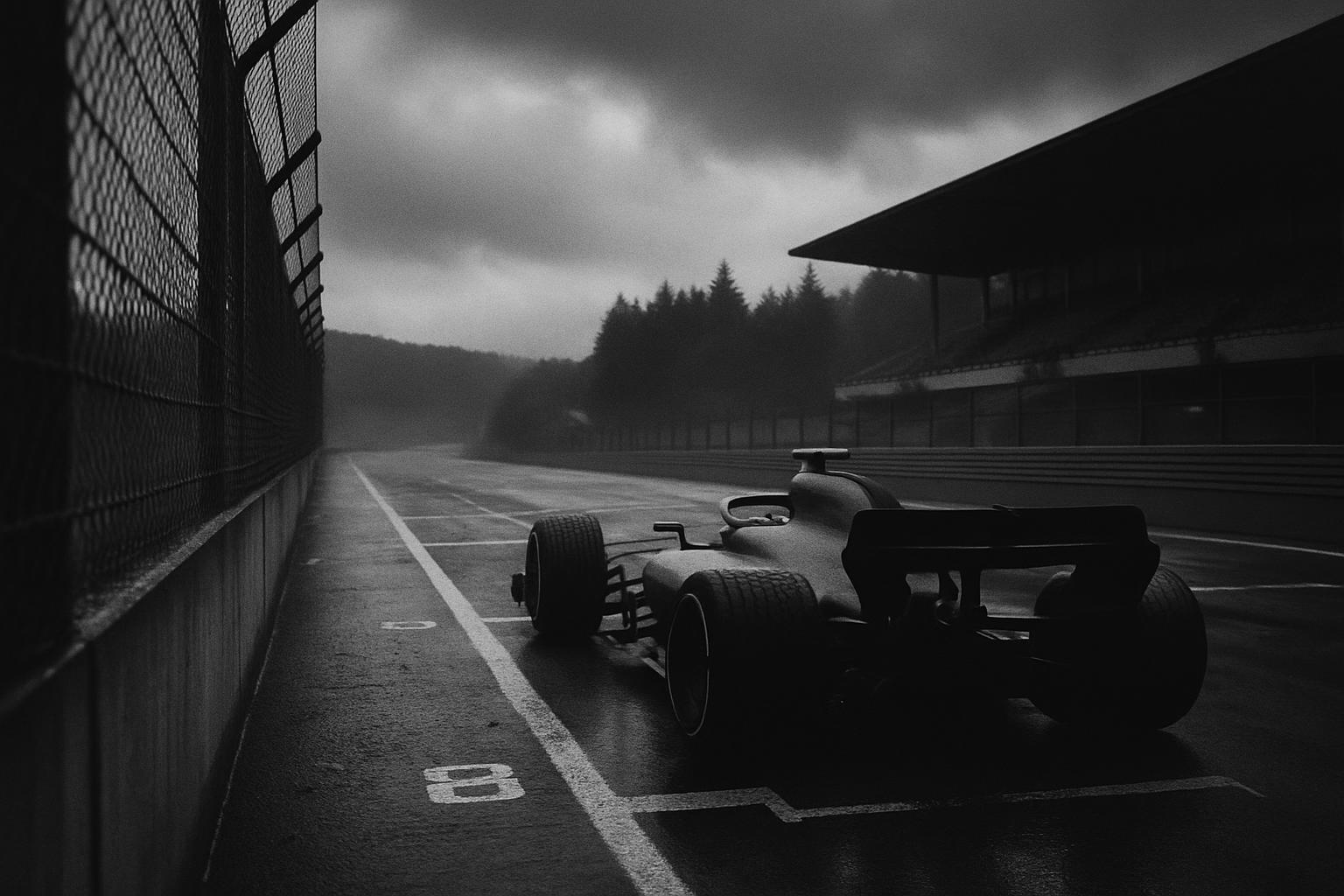
This is season management, not melodrama. In a year with tight margins, a team will sometimes trade grid position for reliability and control, then pick a track that blunts the pain. Spa is that track. You get long full-throttle runs, heavy braking zones, and multiple lines that let a quicker car prove it. If you have to serve a penalty somewhere, you want to do it where passing is plausible and the race can come back to you.
The BBC piece gives the headline fact, the penalty for a fresh specification. The rest is the logic any pit wall understands. A cleaner engine pool lowers the odds of a Sunday ruined by a warning light. The price is paid on Saturday, the upside is collected over a handful of grands prix. Spa is not charity, it is a discount aisle.
Undercut windows and tow trains
So what does the penalty do to race-day strategy. It tilts everything toward leverage points. Spa’s long climbs and blasts stretch the value of the slipstream, which can turn the midfield into a convoy whenever pace gaps are small. Start in that pack and you are trading air for time. McLaren’s job becomes timing clean-air laps against the temptation to sit in the tow.
The undercut window is wider at a circuit where out-lap energy matters. A car set free can bank tenths through fast sweeps, then carry speed onto the accelerations, while rivals in a train must brake to the leader’s rhythm. If Norris clears two or three cars early, the pit wall can pivot. They can pit one lap before the natural stop to jump a rival, or go long enough to flip the order when others blink first. A penalty removes the option to drift with the race. You have to choose your pressure points.
Slipstream can also be a tool without a pass. Sitting in another car’s wake conserves fuel and battery cycles while you still move forward, provided tire temperatures hold. That can buy the freedom to extend a stint by a lap or two, then drop into fresher air once the group splinters. The risk is obvious. Get stuck behind a slower apex car and you cook the fronts while the leaders float away. The reward is the elastic band effect, the slingshot when rivals pit early into traffic.
The long first stint
A back-foot start invites patience. The long first stint is the classic salvage play because it lets the race come back to you. On a track like Spa, where overtakes are plausible, stretching the opening tire life delays your exposure to pit exit battles and sets up faster laps on a lighter fuel load. It also lets a team duck safety car roulette by keeping options open. If the race stays green, the overcut can work when others heat their tires into the worst of the traffic. If a neutralization appears, a longer first run preserves the chance to pit without surrendering hard-won track position.
That patience must be selective. Extend only while the lap time holds. The moment the delta drops, you invert the plan and force the issue with an early stop. Either way, flexibility becomes the north star. Every lap is a test of whether clean air exists five or six seconds up the road, and whether Norris can be released into it without towing someone else back into range.
Straightline math and setup choices
Hardware and setup always matter at Spa. Teams trim drag to unlock top speed up the hill and down the Kemmel, then pay it back with stability through the fast corners. The right rear wing level is not about vanity, it is about pass probability. With a lighter wing and a healthy DRS effect, a car that is fractionally faster can turn the slipstream into a move before Les Combes. With a heavier wing, you gain downforce for sector two, then risk staring at a diffuser for 10 laps. The penalty nudges you toward efficiency. If you are serving a drop, any part or choice that converts momentum into meters is welcome.
Spa is a circuit that forgives a Saturday bill if your Sunday car can breathe in clean air.
The bigger picture
This is not about heroics, it is about portfolio management. McLaren can live with a hit now if it sets up a steadier run through the middle of the season. Bank reliability, then chase points where track position is easier to defend. The grid drop narrows the path, it does not close it.
None of this guarantees a result. It does guarantee a blueprint. Start with a car that can pass, protect the engine bay with the latest spec, keep the pit wall nimble around undercut windows, and ride the tow when it pays. If the race thins out the traffic, attack with the long first stint. If it bunches, pivot. Spa gives you room to make and correct choices. A 10-place drop is costly on paper, but on this circuit it is still a solvable equation.