Ladakh After 2019: A Fast Presses Parliament On Status And Safeguards
Ladakh After 2019: A Fast Presses Parliament On Status And Safeguards
Sonam Wangchuk’s Delhi fast, echoed by opposition signals, ties exam anger to Ladakh’s stalled asks on statehood and Sixth Schedule protections, pressing parties to show their hand before any move in Parliament.
 Adrian ValeWorld Correspondent
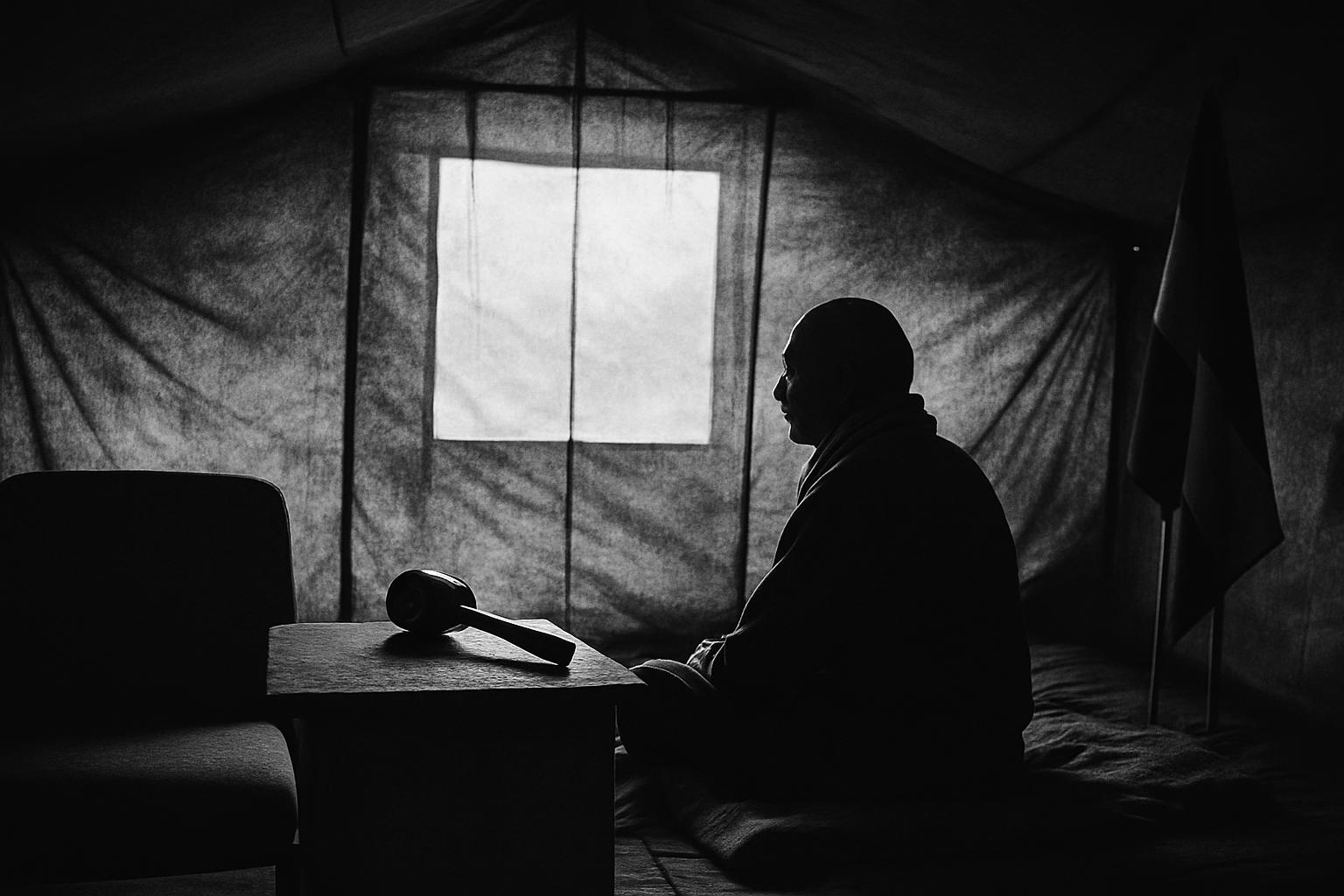
In Delhi, a Ladakhi activist is using an old tactic to force a new conversation. Sonam Wangchuk has been on an indefinite hunger strike since June 28, seated within a youth-led protest over exam leaks, while also reiterating his second demand on Ladakh’s constitutional future. The Union government had not responded at the time of the cited reports.
The post-2019 redesign and the asks
In August 2019, the Modi government revoked Article 370 and bifurcated Jammu and Kashmir into two Union territories, Jammu and Kashmir and Ladakh. Ladakhi political groups had long sought separation from the former state and initially welcomed the change. The BJP’s 2019 manifesto listed implementing the Sixth Schedule for Ladakh among its top priorities, and the promise resurfaced around the 2020 Ladakh Autonomous Hill Development Council polls. Wangchuk’s current fast has kept that ask visible alongside his primary demand for accountability on national examinations.
The Sixth Schedule has been championed by local formations such as the Leh Apex Body and the Kargil Democratic Alliance, which argue for stronger constitutional safeguards for Ladakh’s tribal communities. Wangchuk has aligned with these demands before, and the present agitation references that unresolved agenda even as it targets the Education Ministry over alleged exam irregularities.
The protest folds a regional status question into a national moment of scrutiny over exams, then points both back to Parliament.
Parliamentary levers, not street vetoes
None of the outcomes in play can be delivered from the protest site. Any change to Ladakh’s constitutional protections or political status would require action in Parliament. That is why the fast is calibrated to elicit positions from national parties. The sequence so far shows how the mechanism works.
Inside the Congress, Sonia Gandhi told colleagues that she favored support for Wangchuk’s agitation, and she invoked a family precedent to make the case. Following her intervention, party spokesperson Pawan Khera visited Wangchuk at Jantar Mantar and conveyed support. Separate reporting charted a parallel row over Rahul Gandhi’s absence from the protest site, which drew criticism from Wangchuk and a defense from Congress allies who said the party’s campaign on exam issues would proceed through rallies and parliamentary channels. Opposition figures also signaled they would raise elements of the protest’s demands in Parliament.
On the government side, the cited reports note no direct engagement with the demonstrators. That leaves the legislative path defined by party arithmetic and committee time, not by executive assurances from the police barricades on Parliament Street. For Ladakh’s status arguments in particular, the path runs through a bill, debate, and votes, with coalition partners and regional parties choosing whether to bind themselves to a text or wait for a committee process.
A historical echo without a guarantee
Sonia Gandhi’s reference points to Ladakh’s own archive of Gandhian protest. In 1984, Wangchuk’s father, Sonam Wangyal, a former legislator, undertook a hunger strike demanding Scheduled Tribe status for Ladakh. Indira Gandhi traveled to Leh and persuaded him to end the fast. The demand was not immediately fulfilled, but the episode entered Ladakh’s political memory.
The echo is useful to understand the tactic, not as proof that a similar outcome will follow today. The current agitation sits in a different policy context, it is tethered to exam governance at the national level and it also keeps alive asks on Ladakh’s protections that surfaced after 2019. The Congress leadership’s sympathy is political signaling unless it is converted into concrete steps in the House.
Local coalitions and a strategic backdrop
The institutional question is not only national. Within Ladakh, the Sixth Schedule demand has been voiced by both the Leh Apex Body and the Kargil Democratic Alliance. Their campaigns frame safeguards as necessary for Ladakh’s communities and environment. Wangchuk’s prior protests have traveled with these coalitions, including a confrontation with the Centre in 2025 that ended with his detention under the National Security Act, which was later revoked.
The region’s strategic salience has long shaped how Delhi reads Ladakh. Contemporary debate carries that undertone. The optics of a Ladakhi activist in the capital, and the recall of a 1984 intervention at Leh, keep the political theater tethered to a place that successive governments have treated as sensitive. That context helps explain why parties calibrate their words carefully, even when they show up to express solidarity.
What the fast can and cannot do
Wangchuk’s immediate plank is exam accountability. He is demanding the resignation of the Union Education Minister over the NEET leak and related grievances. That agenda has drawn student groups and opposition leaders to Jantar Mantar. Along the way, the fast has also refreshed attention on Ladakh’s second track, the question of statehood and Sixth Schedule protections that were discussed and promised in the recent past.
What a protest can do is force clarity. Parties can either restate the Sixth Schedule promise for Ladakh or explain why it is deferred. They can commit to moving a bill or to supporting one if introduced. None of that has been confirmed in the cited reports. There is no formal government commitment on statehood or Sixth Schedule status. The pressure point is Parliament, and the test is whether the coalition math and committee processes convert expressions of sympathy into legislative action.
For now, the tactic is procedural, not existential. A Gandhian fast narrows the political room for equivocation, then hands the file to the only forum that can decide it.